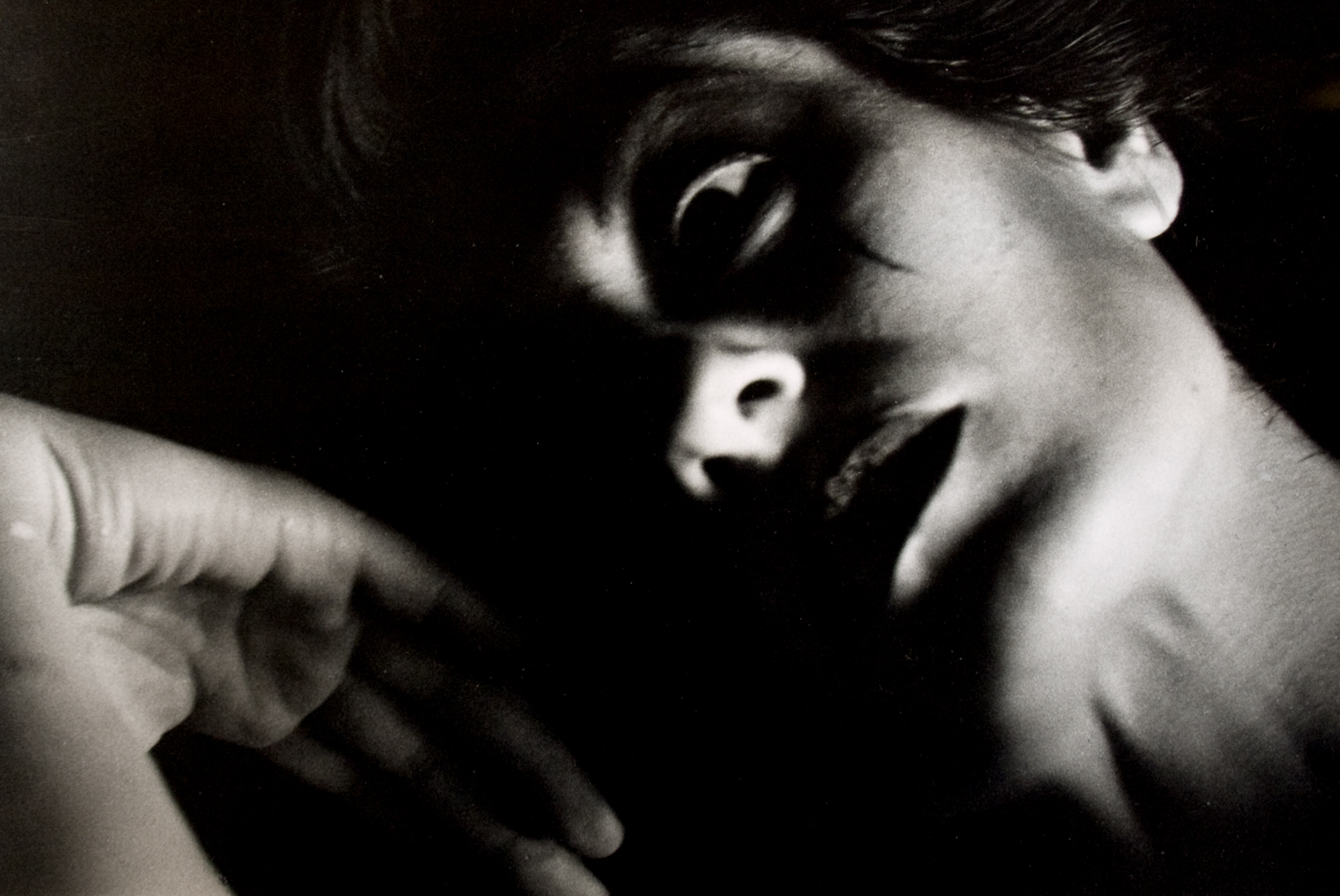
Annuska
Pas de deux
Vladimir Sidorov, nel 1922 scriveva: “… nella pittura il nostro occhio, nella musica il nostro orecchio, nell’architettura la nostra percezione dello spazio, nella danza il corpo è il materiale dell’arte. Proprio il corpo in sé, in quanto racconto…”
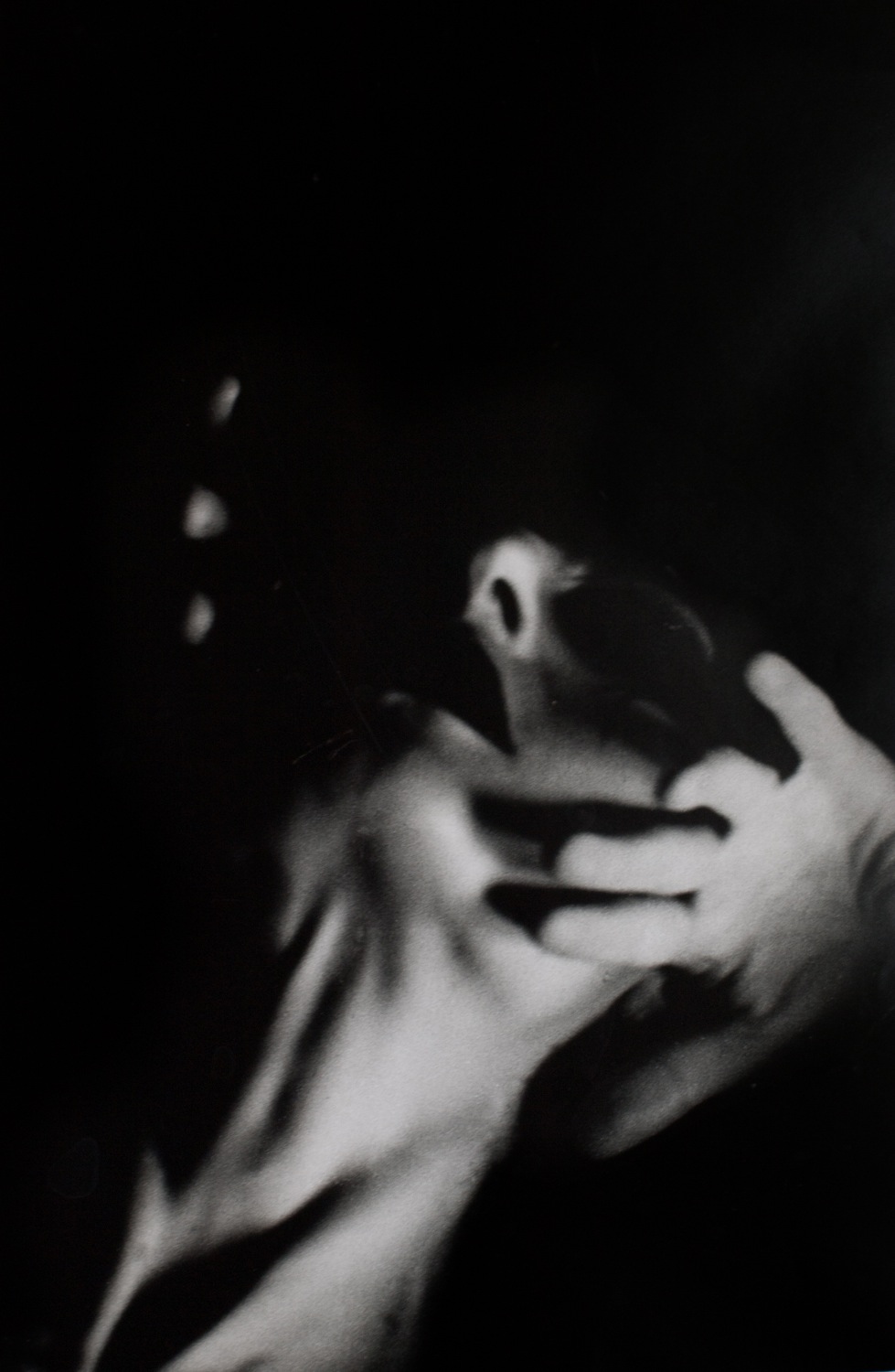
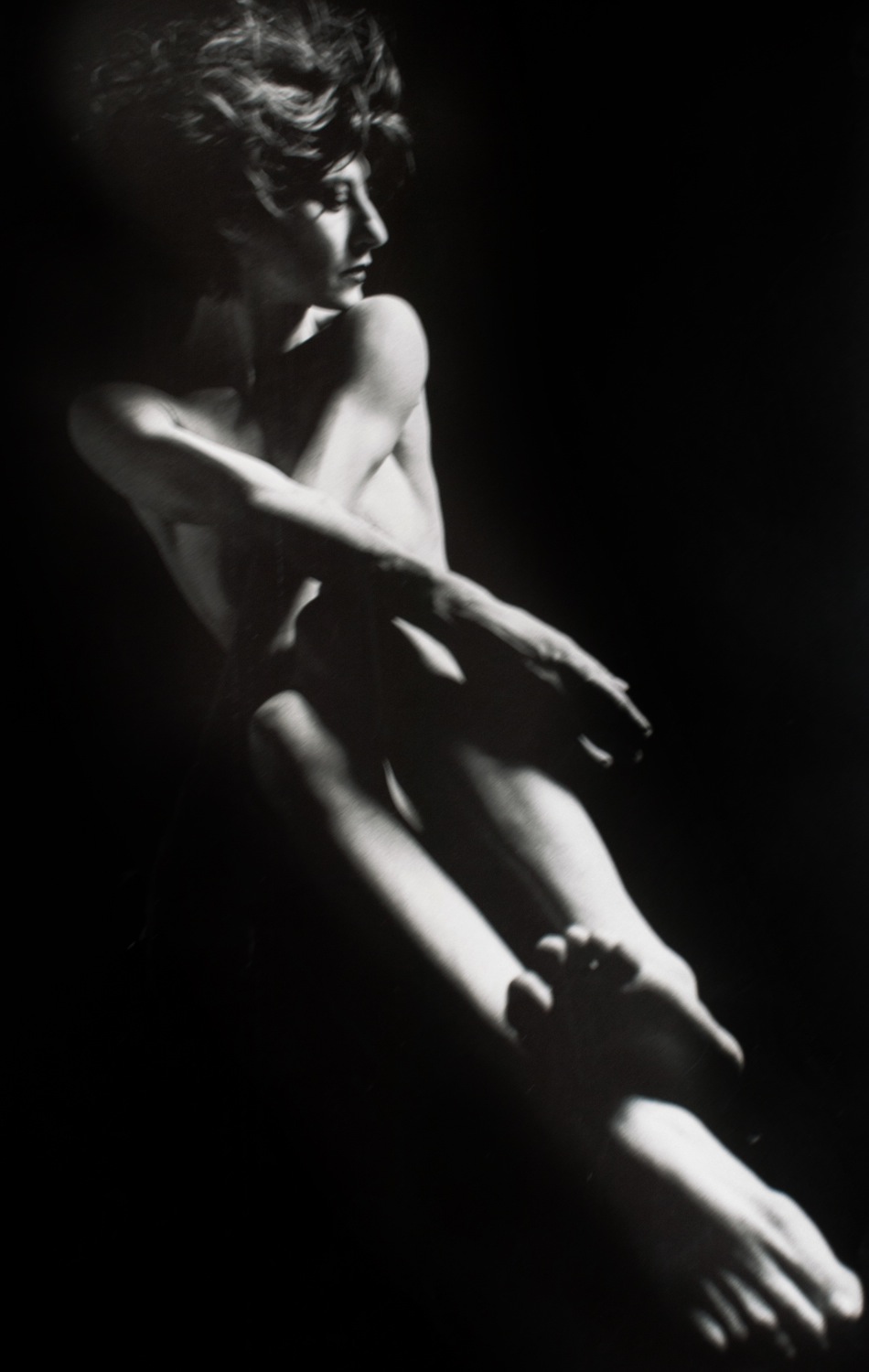
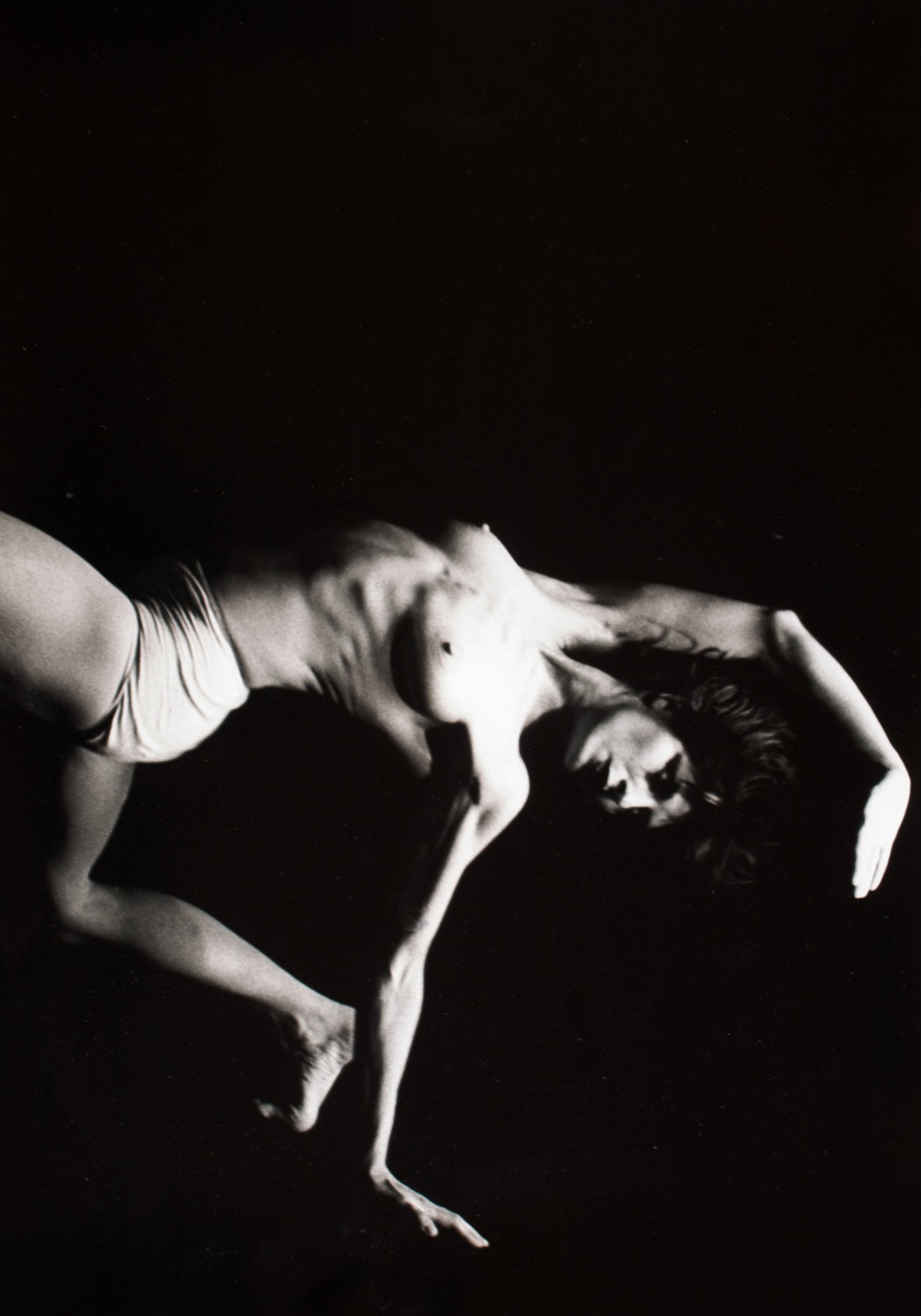
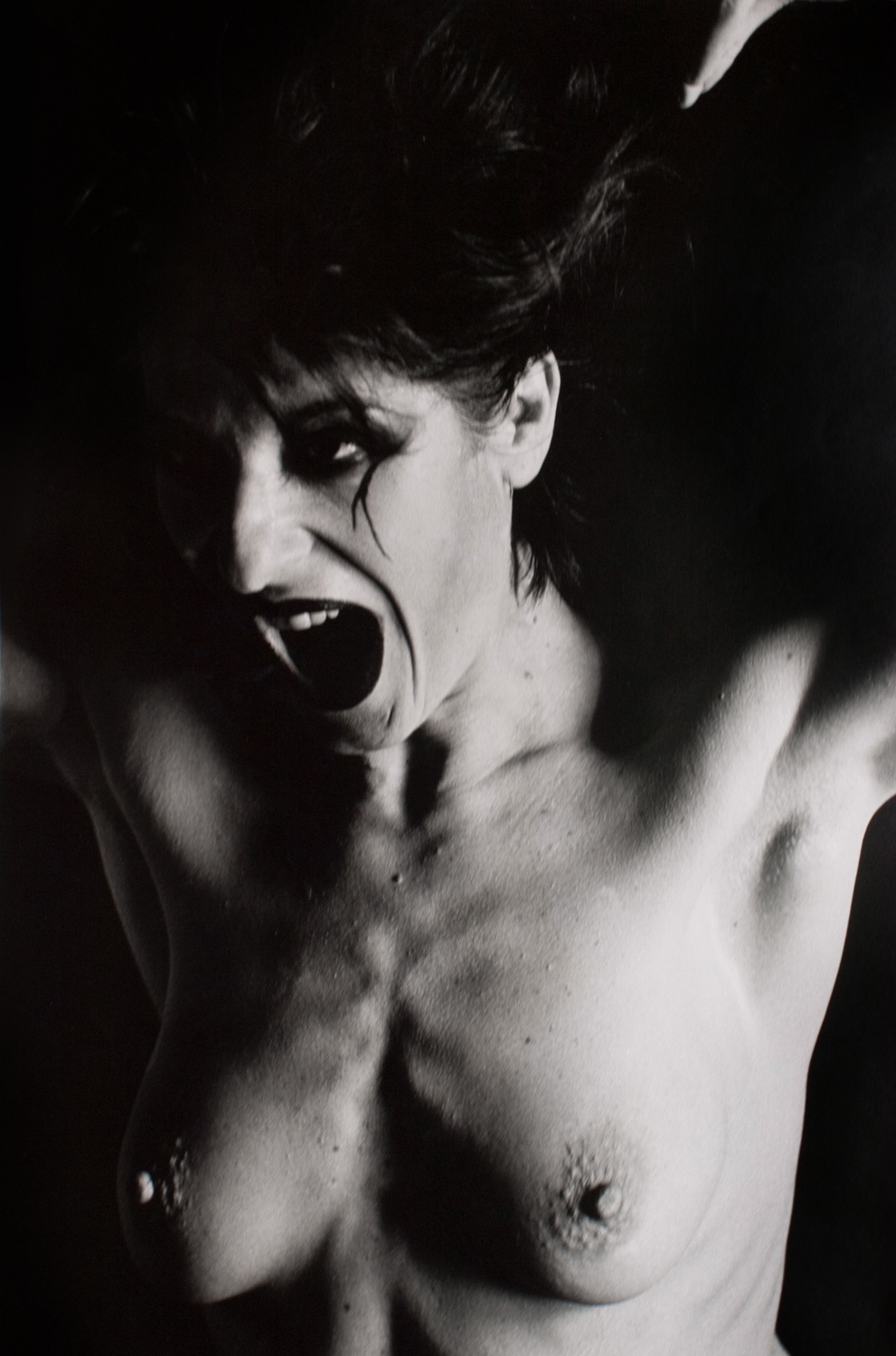
Il corpo rappresenta l’epitome della sensualità nella danza di Annusca, allieva di Pina Baush. Luisa ne coglie l’elemento dionisiaco e orgiastico. Le riprese effettuate in studio, sulle note complici di Debussy, riprendono le geometrie eccentriche del corpo nudo e del corpo vestito, la mimica e il gesto con furente entusiasmo intriso di ebrezza ed eccitamento.
L’immagine fotografica dinamica è privata di una delle più potenti tra le numerose illusioni della fotografia, è spogliata cioè dalla sensazione di presenza. “Cogliere l’istante”, come si dice troppo spesso che la fotografia faccia, è cogliere e fissare la presenza, è dare l’immagine della simultaneità, del modo in cui ogni cosa è presente in un certo luogo e in un dato momento, è un’affermazione perentoria dell’integrità senza falle del reale. È la restituzione su una superfice continua della traccia di tutto ciò che lo sguardo coglie in un sol colpo d’occhio. Non è soltanto un trofeo, il prelievo di un frammento di realtà ma anche un documento che testimonia la propria unità in quanto “ciò che era in un dato momento”.
Ora il fatto di marcare gli spazi “dinamici” utilizzando un tempo di “esposizione lungo” distrugge la simultaneità della presenza: il che significa di nuovo presentare le cose in sequenza, sia una dopo l’altra, sia una esterna all’altra, occupando spazi separati.
Noi non guardiamo la realtà ma un mondo contaminato dall’interpretazione e dalla significazione, cioè una realtà dilatata dai vuoti e dai bianchi che costituiscono le condizioni formali all’esistenza del segno. È il raddoppiamento a creare il ritmo formale dello spazio dinamico, il passo a due che proscrive l’unità dell’istante. È il raddoppiamento a far sorgere l’idea che all’originale sia aggiunta la sua copia: il doppio è il simulacro dell’originale, appare per secondo e non può esistere che come rappresentazione, come immagine.
La duplicazione proietta l’originale nell’ambito della differenza, del differire dell’ogni cosa a suo tempo, della gemmazione del molteplice all’interno dell’uno. Il tutto in continuo stato di trasferimento sulla prossimità di accesso ad una soglia che certifica che l’oggetto non ha forma a priori, è solo definibile la linea che segna la relazione tra il suo peso (quantità) e la sua espansione (qualità). La forma gesto è colta nei suoi stati interstatici, intermovimentali e intermomentali. La forma gesto colta nella successione temporale è nella restituzione fotografica simultaneità e spazio. La forma gesto si configura sempre più distante dal modello di partenza, fino ad autonomizzarsi definitivamente non obbedendo più ad alcuna gerarchia generatrice. Il luogo e la forma di approdo non sono delineati, definiti. Quello che la fotografia di Luisa Coglie è il momento capace di orientarci suggerendoci che ci sono innumerevoli possibilità e luoghi di approdo della forma gesto. Quello che la fotografia di Luisa ci restituisce è la certezza che anche noi abitiamo la limitatezza.
Gabriele Agostini
Anna Pasculli, a student of Pina Bausch -Pina used to call her Annuska.